6.7 Cummins Boost Pressure Sensor Location And Troubleshooting Guide

Maintaining the legendary torque and reliability of a 6.7 Cummins engine requires every sensor to provide surgical precision, yet the boost pressure sensor is often the first to fail due to soot accumulation. Owners frequently struggle to pinpoint the exact location of the boost pressure sensor (MAP sensor) across different model years, leading to misdiagnosis and unnecessary repair costs. Whether you are dealing with a “dead” pedal or a check engine light, understanding this component is critical. This guide provides a definitive map of the 6.7 Cummins boost pressure sensor location, details critical troubleshooting steps for common DTCs, and offers a professional walkthrough for replacement.



Identifying the 6.7 Cummins Boost Pressure Sensor Location by Generation
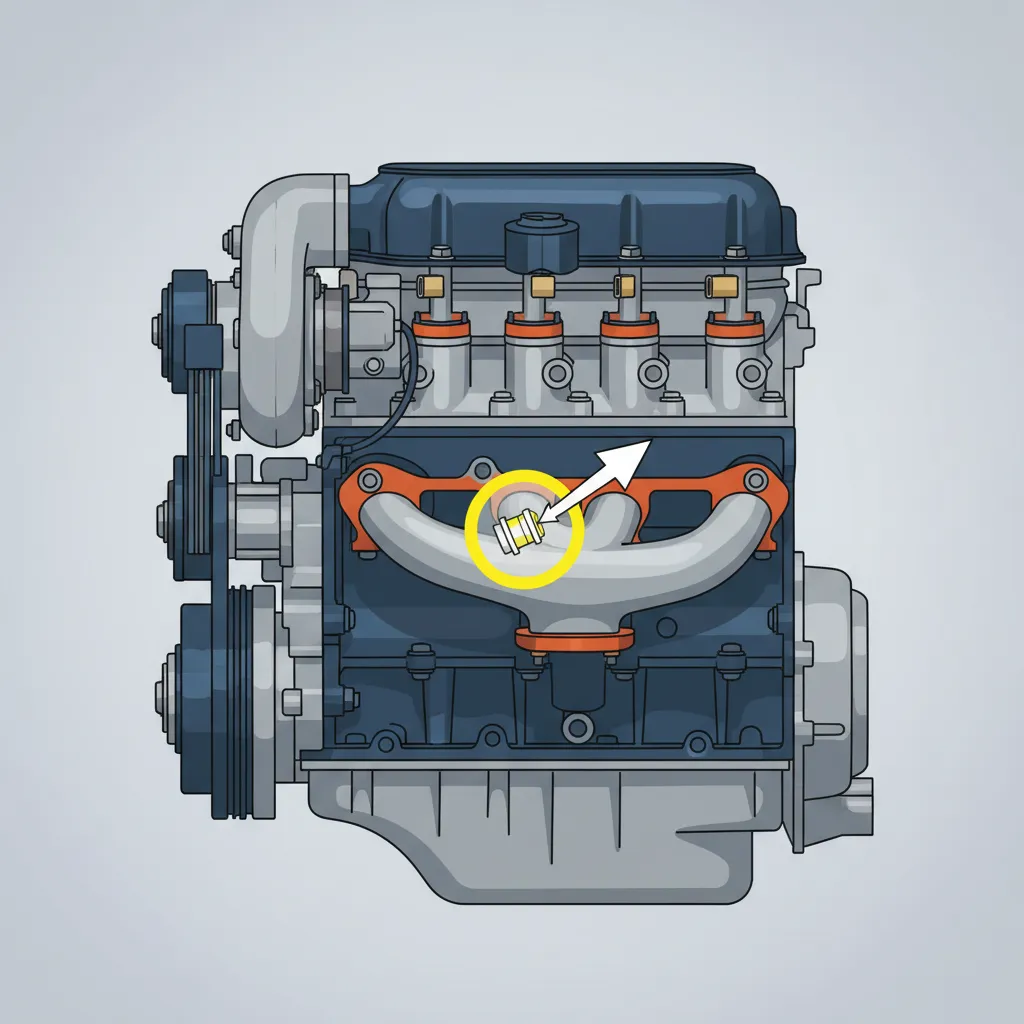
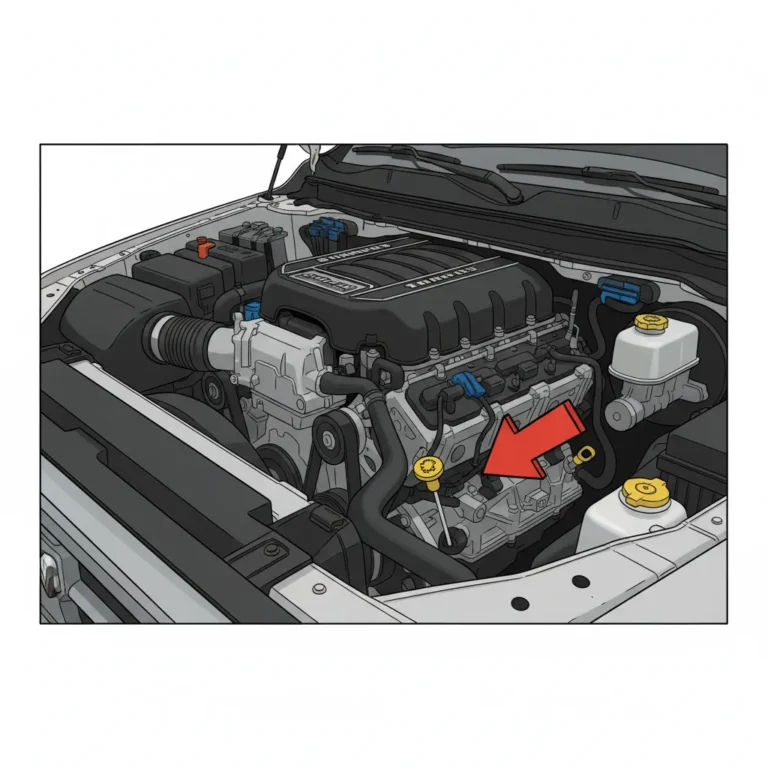
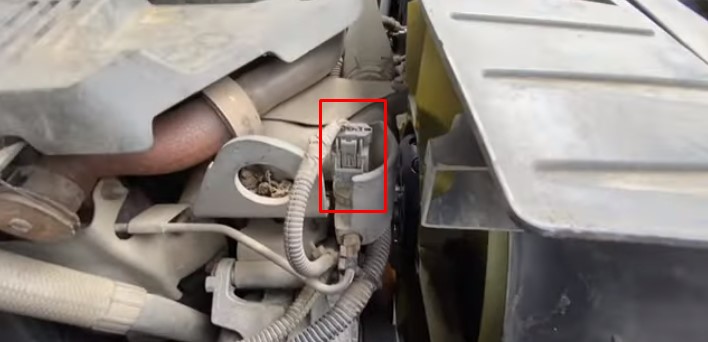
Locating the boost pressure sensor—officially termed the Manifold Absolute Pressure (MAP) sensor—is the first hurdle for any DIY mechanic or technician. While the 6.7 Cummins has remained fundamentally similar since its 2007.5 debut, subtle changes in harness routing and component density can make identification tricky. For 2007.5 to 2018 models, the MAP sensor is typically mounted on the driver side of the intake manifold, positioned toward the rear near the firewall. It is nestled between the fuel rail and the valve cover, often obscured by the wiring harness.
In the 2019+ high-output and standard 6.7 Cummins engines, the location remains on the intake plenum, but the environment is more congested. The updated harness routing on these newer models requires more careful access, as the wiring is tucked tighter against the engine block to accommodate the redesigned hydraulic lash adjusters and high-pressure fuel system components. To identify it correctly, look for a small plastic sensor with a 3-pin or 4-pin electrical connector secured by a single T15 or T20 Torx screw or a small 10mm bolt, depending on the specific engine revision.
Do not confuse the MAP sensor with the Intake Air Temperature (IAT) sensor. While both monitor intake conditions, the IAT is often located further upstream in the air intake plumbing or near the air filter box. The MAP sensor always sits directly on the pressurized intake manifold to measure true boost levels.
A common mistake I see in the field involves 2012 RAM owners who mistake the rail pressure sensor for the boost sensor. Because they sit in relative proximity on the driver’s side of the engine block, it is easy to pull the wrong plug. The rail pressure sensor is threaded directly into the end of the heavy steel fuel rail, while the MAP sensor is bolted into the cast aluminum intake manifold. Understanding this distinction is the difference between a 10-minute fix and an afternoon of frustration.
Understanding the Role of the Boost Pressure Sensor in Diesel Performance
The boost pressure sensor provides real-time data to the Engine Control Module (ECM) regarding the air pressure inside the intake manifold. In the world of high-pressure common rail diesels, this data is the “source of truth” for combustion. The ECM uses this input to calculate the air-to-fuel ratio, ensuring the turbocharger provides the correct amount of forced induction to match fuel delivery. Without an accurate reading, the engine is essentially flying blind, unable to synchronize the massive amount of air required for efficient diesel combustion.
One of the most critical functions affected by this sensor is the Variable Geometry Turbocharger (VGT) vane position. The ECM adjusts the turbo vanes based on boost pressure readings to prevent overboost or lag. If the sensor is coated in soot—a frequent byproduct of the Exhaust Gas Recirculation (EGR) system—it may respond sluggishly, leading to “surging” or a complete lack of low-end torque. Research indicates that a 15% failure rate in 6.7 Cummins sensors is often attributed to the high-soot environment inherent in diesel intake manifolds, according to Diesel Power Magazine.
Industry Data
Sensor-Related Issues
Avg. Max Replace Cost
Consider a heavy-duty towing scenario where accurate boost readings are required to maintain Exhaust Gas Temperature (EGT) safety limits. If the MAP sensor under-reports boost, the ECM may over-fuel the engine to compensate for what it perceives as a “lean” condition, causing EGTs to skyrocket. By measuring absolute pressure (atmospheric pressure + turbo boost), the sensor allows the ECM to adjust for altitude changes, ensuring your RAM pulls just as hard in the Rockies as it does at sea level. For more in-depth technical specifications, the official guide from the manufacturer provides extensive mapping data.
Common Symptoms and DTCs of a Faulty 6.7 Cummins MAP Sensor
When the boost pressure sensor begins to fail, the symptoms are rarely subtle. You will likely experience a noticeable loss of engine power, often referred to as “Limp Mode,” and significantly decreased throttle response during acceleration. This happens because the ECM defaults to a “fail-safe” fueling map that prioritizes engine protection over efficiency. You may also see excessive black smoke from the tailpipe, which is a clear indicator of an overly rich fuel mixture—too much diesel and not enough air—because the ECM is guessing the boost levels incorrectly.


Diagnostics usually begin with a check engine light and specific Diagnostic Trouble Codes (DTCs). If you have an OBD-II monitor like an Edge CTS3, keep an eye out for these specific markers:
- • P0234: Turbocharger Overboost Condition (the sensor thinks boost is too high).
- • P0237: Turbocharger Boost Sensor A Circuit Low (voltage is below threshold).
- • P0238: Turbocharger Boost Sensor A Circuit High (voltage is above threshold).
I once consulted for a driver encountering code P0237 while climbing a 6% grade with a 15,000-lb trailer. The truck immediately dropped boost from 30 PSI to 0 PSI on the digital gauge. The sensor hadn’t technically “broken”; it had become so caked in soot that the internal diaphragm could no longer move, sending a static, low-voltage signal to the ECM. According to repair costs data, fixing this typically costs between $132 and $248, but the cost of being stranded on a grade is much higher.
✅ Normal Operation
- Instant throttle response
- Clean exhaust (no smoke)
- Boost matches load profile
- Steady idle RPM
❌ Sensor Failure
- Dead pedal/lag
- Black smoke under load
- Sudden Limp Mode
- Erratic boost gauge
📋
Step-by-Step Replacement Guide
Disconnect the negative battery terminals (both of them on a Cummins) and ensure the engine is cool to the touch. The sensor is located near high-heat components.
Use compressed air or a shop vac to remove dirt and debris from the base of the sensor. You do not want soot or grit falling into the intake manifold when the sensor is pulled.
Slide the red locking tab back and depress the release lever. Remove the T15/T20 screw and pull the sensor straight up. Note the condition of the O-ring.


When installing the new unit, lubricate the new O-ring with a small amount of clean engine oil to ensure a perfect seal. Torque the mounting bolt to approximately 89 inch-pounds (10 Nm)—do not over-tighten, as the manifold threads are easily stripped. Many enthusiasts attempt to clean the sensor with specialized MAF/Electronic cleaner to prolong its life. This can work as a temporary measure, but once the internal silicone diaphragm is compromised by heat and carbon, total failure is inevitable.
Never use brake cleaner or throttle body cleaner on the MAP sensor. These harsh solvents can dissolve the internal silicone diaphragm and the plastic housing, leading to immediate sensor failure and potential engine damage if pieces fall into the intake.
Locating Replacement Parts and Services Nearby Your Community
When your truck is down, finding high-quality OEM Cummins or Bosch sensors available at diesel parts suppliers in your immediate location is the top priority. While aftermarket sensors are often cheaper, the 6.7 Cummins ECM is notoriously sensitive to voltage variances. Choosing a trusted local diesel shop ensures you get a part that meets factory tolerances and provides the longevity required for heavy-duty work. Many mobile diesel mechanics are now serving local areas, offering the convenient benefit of performing sensor diagnostics and replacements at your home or job site.
If you prefer to DIY, checking the inventory of a parts house nearby your community is often faster than waiting for online shipping. Local diesel clubs and online forums like the expert tips section of the RAM forum are excellent resources for finding recommended technicians who specialize in Cummins diagnostics in your specific region. Often, a professional shop will perform a “relearn” procedure or clear deep-seated codes that a basic hand-held scanner might miss.
OEM Reliability
Bosch and Cummins sensors are calibrated to the ECM’s exact voltage maps, preventing ghost codes.
Expert Calibration
Professional shops can verify boost leaks elsewhere in the system before replacing the sensor.
The 6.7 Cummins boost pressure sensor is located on the driver side intake manifold, though specific positioning varies slightly by model year. Faulty sensors trigger specific codes like P0237 and cause symptoms ranging from black smoke to total power loss. Regular cleaning and using OEM-quality replacements are vital for maintaining engine efficiency and turbocharger health. If you are experiencing symptoms of a bad MAP sensor, check the availability of replacement parts at a diesel specialist nearby or schedule an inspection at a reputable location in your community today.
Frequently Asked Questions
Where exactly is the boost pressure sensor on a 2015 6.7 Cummins?
On a 2015 6.7 Cummins, the boost pressure (MAP) sensor is located on the top of the intake manifold on the driver’s side of the engine. It is situated toward the rear of the manifold, close to the firewall. You will recognize it by its electrical connector and the single bolt holding it into the intake plenum.

Can I clean my 6.7 Cummins MAP sensor instead of replacing it?
Yes, cleaning is often a viable first step. Because the 6.7 Cummins uses an EGR system, soot can clog the sensor’s port. Use a dedicated mass airflow sensor cleaner or electronic cleaner. Avoid using tools to poke inside the sensor, as the internal diaphragm is extremely delicate and easily damaged.
What is the difference between a MAP sensor and a boost sensor?
In the context of the 6.7 Cummins, they are the same component. The Manifold Absolute Pressure (MAP) sensor measures the total pressure inside the intake. The ECM uses this data, minus atmospheric pressure, to determine the actual ‘boost’ produced by the turbocharger. Mechanics often use the terms interchangeably.
What happens if I drive with a bad boost pressure sensor?
Driving with a faulty MAP sensor can lead to poor fuel economy, increased exhaust temperatures (EGTs), and excessive soot production, which may clog your Diesel Particulate Filter (DPF). The truck will likely enter ‘limp mode,’ significantly reducing power to protect the engine and turbocharger from overboost conditions.
How much does a 6.7 Cummins boost pressure sensor cost?
The part itself typically costs between $60 and $120 for a high-quality Bosch or Cummins OEM sensor. If you have the replacement performed at a professional repair location nearby, total costs including labor generally range from $150 to $250, depending on local shop rates.