6.7 Cummins Water Pump Location: Identification And Troubleshooting Guide

For owners of the 6.7 Cummins diesel engine, maintaining the cooling system is the first line of defense against catastrophic engine failure. This powerhouse, which has served as the backbone of the Ram heavy-duty lineup since mid-2007, generates immense thermal energy, especially when towing or hauling heavy loads. Finding the 6.7 Cummins water pump location can be confusing for many DIYers due to the crowded nature of the modern engine bay and the complex serpentine belt routing. This guide provides a detailed breakdown of where to find the water pump, how to identify signs of failure, and the steps required to service this critical component effectively, drawing from over 15 years of industry experience and technical data from the official guide provided by the manufacturer.


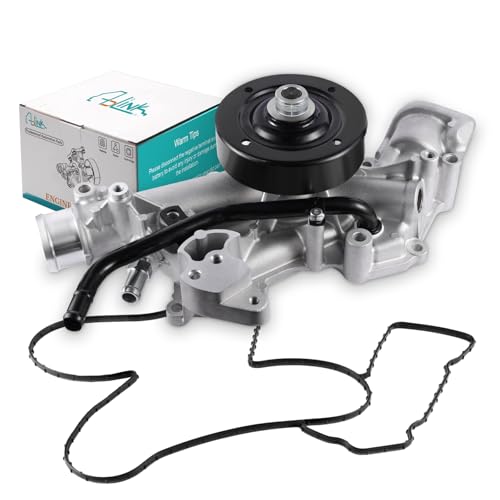
Identifying the 6.7 Cummins Water Pump Location on Your Engine
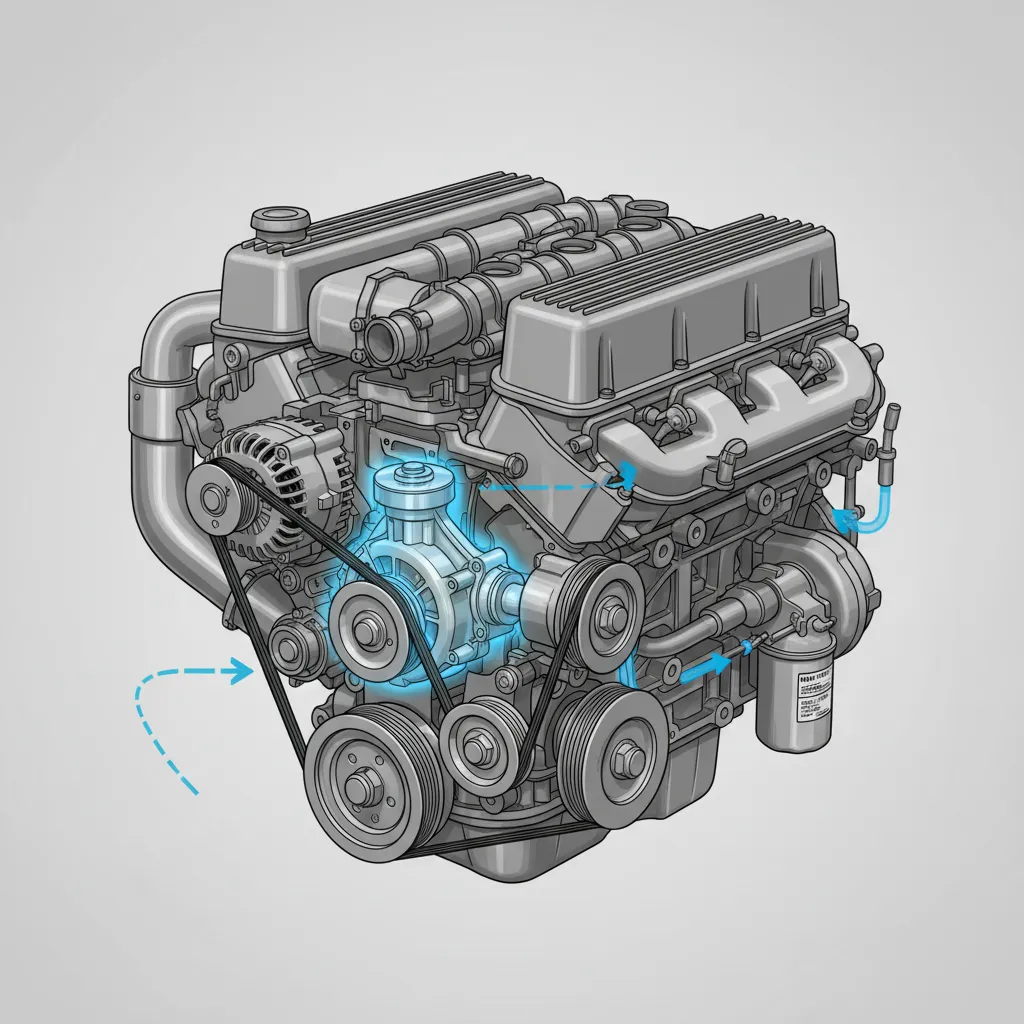
The water pump on a 6.7 Cummins engine is typically located at the front of the engine on the passenger side. Unlike some engines where the water pump is buried behind a timing cover or driven by a timing belt, the Cummins design prioritizes serviceability. It is a belt-driven component, meaning its pulley is in direct contact with the serpentine belt, which provides the rotational force necessary for circulation. This location is consistent across the Ram 2500 and 3500 chassis, as well as the 4500 and 5500 commercial variations, making it a convenient part to identify once you know what to look for.
Visual identification can be confirmed by looking for the large coolant hose that leads from the bottom of the radiator toward the engine block interface. If you follow this hose, it leads directly to the water pump housing. The pump itself is mounted behind the accessory drive system, tucked slightly below the alternator. While the 6.7 Cummins has been the flagship mid-range diesel for Ram since 2007, and the general pump location has remained largely consistent, subtle changes in plumbing or accessory brackets may exist between early 2007.5 models and the high-output versions found in 2024 trucks. However, the core mounting point on the passenger side of the block remains the industry standard.
One nuance often missed by beginners is the proximity to the thermostat. On many 6.7 applications, the water pump and thermostat are accessible in the same general area, though they serve different roles. The pump is responsible for the mechanical movement of the fluid, while the thermostat regulates the flow based on temperature. Having these components available and grouped together on the front of the engine simplifies the diagnostic process for professional technicians serving the diesel community.
Recognizing Symptoms of Water Pump Failure in High-Mileage Engines
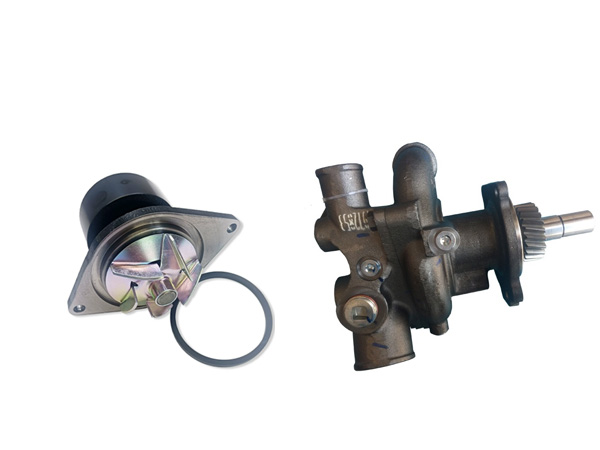
Water pump failure is a documented common issue for 6.7 Cummins engines once they exceed the 100,000 to 150,000-mile mark. As a seasoned expert, I always tell my clients that the pump rarely fails without warning. The first sign is often a “sweet” smell—the unmistakable scent of hot ethylene glycol—even if you don’t see a puddle on the ground yet. You should regularly check for coolant leaks near the “weep hole” located on the bottom of the water pump housing. This hole is an intentional design feature; when the internal mechanical seal fails, coolant is diverted through this hole to prevent it from entering the bearing assembly and causing an immediate seizure.
If you hear a distinct chirping or grinding noise from the front of the engine, do not ignore it. This often indicates catastrophic bearing wear. A seized water pump will shred the serpentine belt, leaving you without power steering, alternator charging, or cooling, which can lead to rapid engine destruction.
Beyond leaks and noise, monitoring engine temperatures is vital. If you notice rapid fluctuations in the temp gauge or overheating when the vehicle is under a heavy towing load, the pump’s impeller may be slipping or cavitating. In some cases, the plastic impellers found on certain aftermarket pumps can degrade or detach from the shaft. This leads to a situation where the pulley is spinning, but the coolant remains stationary. Furthermore, inspect the serpentine belt for signs of coolant spray. A leaking pump can coat the belt in slippery fluid, leading to decreased performance of other accessories and eventual belt failure. For those in the trusted local diesel community, these symptoms are the “early warning system” that saves thousands in repair bills.

Step-by-Step Access and Inspection Procedures
Accessing the water pump usually involves removing the fan shroud and serpentine belt to create a clear workspace. While some “parking lot mechanics” claim they can swap the pump without removing the fan, I strongly advise against it. Taking the extra 15 minutes to clear the area prevents damage to the radiator fins and ensures you can properly torque the new mounting bolts. Standard labor times for a professional technician to replace this pump range between 2 and 3 hours, but a DIYer should budget a full afternoon to ensure the system is properly burped and sealed.
📋
Step-by-Step Replacement Guide
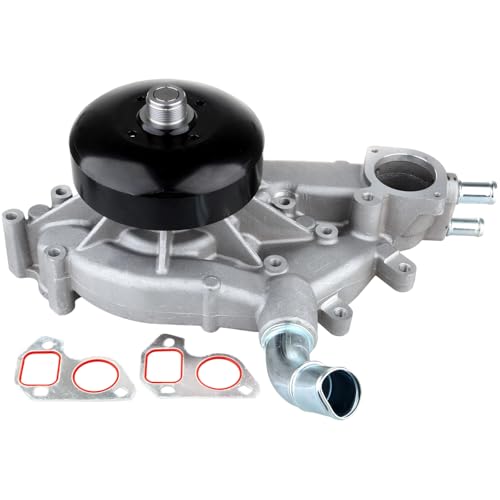
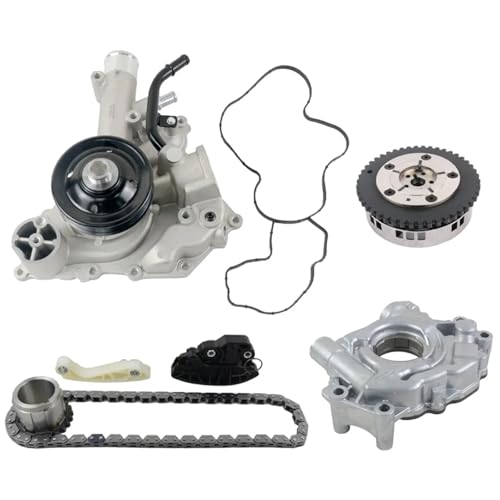


Begin by draining the cooling system into a clean container. This avoids environmental contamination and allows for fluid reuse if it was recently changed. Always perform this on a cold engine.
Remove the fan shroud and cooling fan assembly. You will likely need a fan clutch wrench set. This provides the necessary clearance for tool movement and pump extraction.
Relieve tension on the serpentine belt using a 1/2-inch drive breaker bar on the tensioner pulley. Slide the belt off the water pump pulley and inspect it for cracks or glazing.
Unbolt the pump from the block using a 10mm socket. Ensure you have a catch pan ready, as residual coolant will escape from the engine galleries once the seal is broken.
After replacing the pump, you must properly burp the cooling system. Air pockets in the 6.7 Cummins can lead to localized “hot spots” in the cylinder head, potentially cracking the casting. Use a spill-proof funnel and run the engine with the heater on high until all bubbles cease.


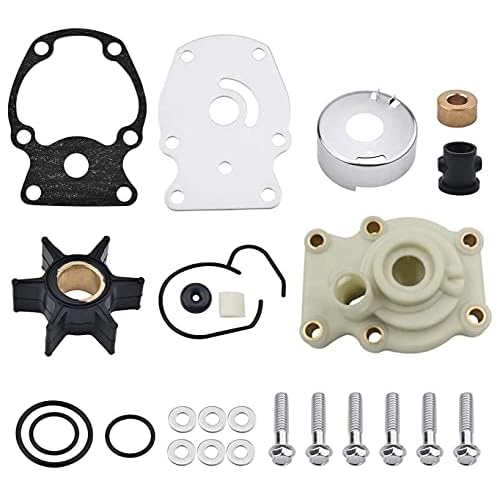
Cost Considerations and Available Parts Near You
When it comes to sourcing parts, you have several options ranging from budget-friendly aftermarket units to high-performance billet upgrades. Aftermarket water pump options are widely available from trusted brands like Gates, AC Delco, and Dayco. These typically offer a balance between cost and performance. However, for those who use their trucks for heavy commercial work, OEM Mopar or Cummins-branded pumps are often the preferred choice. While they command a higher price, they offer guaranteed fitment and long-term reliability that fleet managers depend on.
When calculating the total cost of the repair, don’t forget to factor in the price of fresh coolant. The 6.7 Cummins requires specific OAT (Organic Additive Technology) coolant, typically purple in color for later models. Using the wrong “universal” green coolant can degrade internal seals in as little as 20,000 miles. Searching for a nearby location or diesel specialty shop that stocks heavy-duty cooling components can minimize vehicle downtime. Many local community forums, such as the Ram specs discussion boards, provide real-time advice on which local shops offer the best pricing and expertise for these specific repairs.
Maintenance Tips for the 6.7 Cummins Cooling System
To prevent future failures and ensure your 6.7 Cummins remains accessible and reliable, proactive maintenance is non-negotiable. Adhere strictly to the manufacturer’s recommended coolant flush intervals. Over time, coolant loses its pH-buffering capabilities, leading to the buildup of electrolysis and corrosion within the pump housing. This corrosion can pit the mounting surface on the engine block, making it difficult to achieve a perfect seal even with a brand-new pump.
By The Numbers
Parts Cost Range
Common Failure Point
Avg. Labor Time
Belt Inspection
Regularly inspect the tensioner and idler pulleys. An over-tight or vibrating belt can cause premature failure of the water pump bearings.
Filter Utilization
Utilize high-quality Fleetguard filters and additives if your truck is serving in a heavy-duty or commercial capacity.
Finally, always replace the O-ring seal whenever the pump is removed, even if the pump itself appears to be in good condition. Most experts agree that once an O-ring is compressed and heat-cycled, it will not reseal perfectly a second time. A case study of a municipal fleet serving a local community showed that by implementing scheduled annual coolant testing and replacing water pumps proactively at 120,000 miles, they reduced unscheduled cooling-related downtime by over 30%. Taking these expert tips to heart will ensure your 6.7 Cummins remains a reliable partner for hundreds of thousands of miles.
Conclusion
The 6.7 Cummins water pump is a vital component located on the front passenger side of the engine, easily accessible once the cooling fan and serpentine belt are removed. Recognizing the early symptoms of failure—such as weep hole leaks, bearing noise, and temperature spikes—is critical to preventing engine damage. With high-quality replacement parts ranging from $100 to $500, and a standard repair time of 2-3 hours, maintaining this system is both manageable and cost-effective. If you suspect your water pump is failing, visit a nearby location or trusted local diesel specialist today to keep your Cummins serving you for years to come.
Frequently Asked Questions
How do I know if my 6.7 Cummins water pump is failing?
The most common indicator of failure is a visible leak from the ‘weep hole’ on the pump housing. You may also notice a sweet smell of coolant (antimony), white residue around the front of the engine, or a loud grinding noise indicating that the internal bearings have worn out. In some cases, you might feel play or wobbling when moving the pump pulley by hand while the belt is off.
How much does it cost to replace a water pump on a 6.7 Cummins?
The cost varies based on whether you perform the labor yourself or hire a professional. Parts typically range from $100 to $500. If you take it to a diesel shop, labor costs usually add another $250 to $500, bringing the total estimated repair cost to between $350 and $1,000 including fresh coolant and seals.
What tools are needed to replace the water pump?
To complete this job, you will need a 1/2-inch drive breaker bar for the belt tensioner, a set of metric sockets (specifically 10mm and 13mm), a large drain pan, and a torque wrench. If your truck has a mechanical fan clutch, a 36mm fan clutch wrench may be required to remove the cooling fan from the hub for better access.
Can I replace the water pump myself, or should I take it to a mechanic?
A DIY replacement is feasible for those with moderate mechanical experience. The 6.7 Cummins design is relatively straightforward compared to other diesel engines. However, if you are uncomfortable working around the cooling fan or lack the tools to properly torque the bolts to prevent leaks, seeking a nearby professional is recommended to ensure the engine is serving you reliably.
What is the lifespan of a 6.7 Cummins water pump?
Under normal operating conditions, a 6.7 Cummins water pump typically lasts between 100,000 and 150,000 miles. However, this lifespan can be shortened by poor maintenance, such as using incorrect coolant types or neglecting system flushes. High-load applications and commercial use may also lead to earlier bearing wear or seal degradation.


![Aisin vs. 68RFE: Specs & Fitment Guide [2026]](https://truckguider.com/wp-content/uploads/2026/03/aisin-transmission-ram-3500-featured.webp)