
Diagram Dodge Ram 1500 Pcm Location: Identifying The Engine Control Module By Model Year

As the central intelligence of your Dodge Ram 1500, the Powertrain Control Module (PCM) dictates every move your truck makes, from the timing of a spark plug to the pressure of a gear shift. This sophisticated computer acts as the “brain,” orchestrating a complex symphony of sensors and actuators to ensure performance and efficiency. However, when your truck begins to stall, shift erratically, or display confusing electrical behavior, finding the diagram Dodge Ram 1500 PCM location becomes your first priority. Identifying the module can be surprisingly difficult because its physical placement has shifted significantly across different Ram model generations. This guide provides a precise diagrammatic overview and location map for the Dodge Ram 1500 PCM, along with diagnostic expert tips and step-by-step instructions to help you regain control of your vehicle’s performance.


Understanding the Powertrain Control Module Role in Dodge Ram 1500 Performance
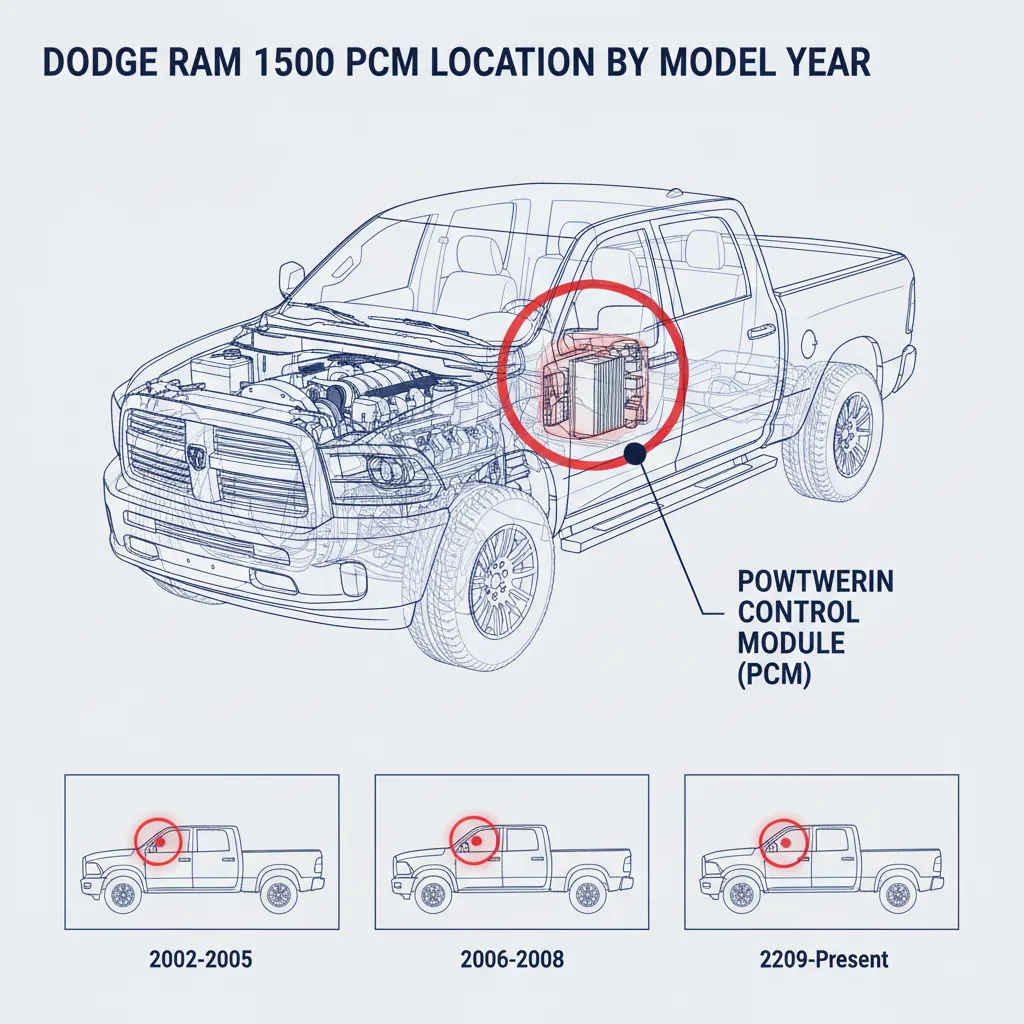
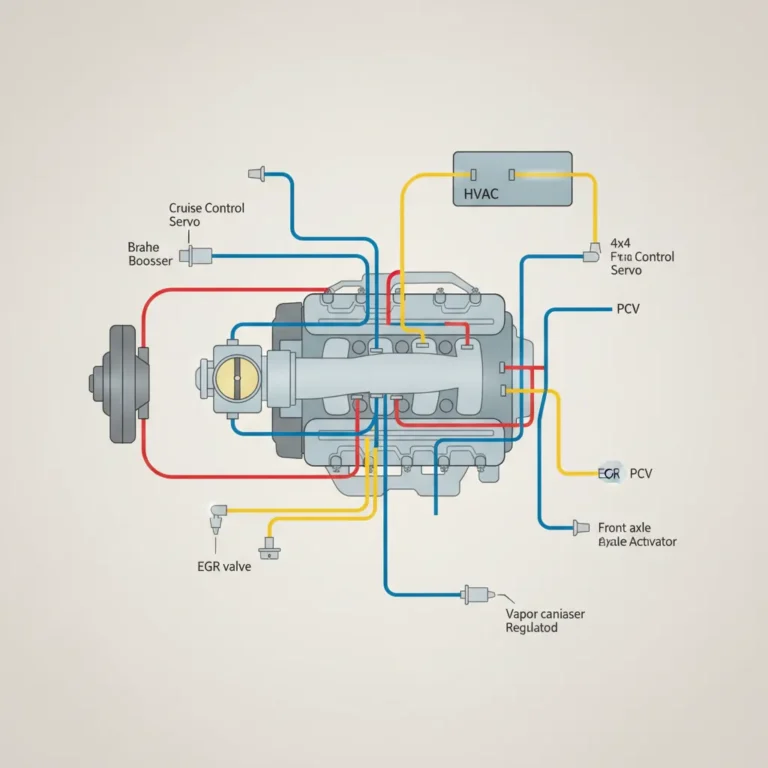
In the realm of modern automotive engineering, the Powertrain Control Module (PCM) is the apex of the vehicle’s electrical architecture. For the Dodge Ram 1500, the PCM is not just a secondary component; it is a centralized computer system that governs nearly every engine and transmission function. It functions by processing massive amounts of data in real-time, receiving inputs from a network of sensors including the Oxygen (O2) sensor, Mass Air Flow (MAF) sensor, and Throttle Position Sensor (TPS). By analyzing this data, the PCM makes micro-adjustments to ignition timing, fuel-to-air ratios, and emission controls to maintain optimal efficiency and power delivery.
Research indicates that the modern PCM manages over 100 distinct vehicle parameters simultaneously. This level of control is vital for meeting modern safety and environmental standards. For example, during heavy towing, the PCM monitors transmission temperature and engine load, adjusting fuel trim and shift points to prevent overheating. If the PCM malfunctions, the delicate balance of these parameters is disrupted. A common scenario for Ram owners involves a truck failing an emissions test despite having new spark plugs and filters; often, the root cause is a PCM communication error that prevents the system from entering a “ready” state for testing.
Furthermore, the physical location of the PCM is a critical factor in its longevity. Because it is an electronic component, it is inherently vulnerable to environmental factors like extreme engine heat, moisture, and vibration. Understanding where your specific model’s PCM is housed allows for better preventative maintenance, such as checking for corrosion on the connectors or ensuring the mounting brackets haven’t vibrated loose. While robust, PCM failure is responsible for approximately 5% of all vehicle electrical system issues, making it a “last resort” diagnostic item that requires careful identification.
By The Numbers
Parameters Monitored
Electrical Failures
Primary Connectors
Detailed Diagram Dodge Ram 1500 PCM Location Across Model Generations
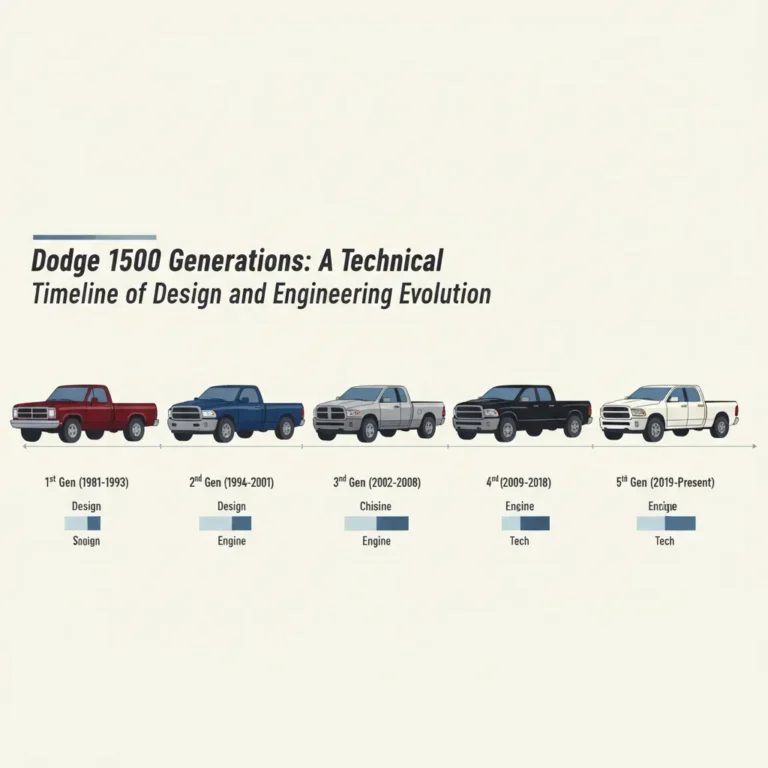
Identifying the PCM requires a nuanced understanding of the Dodge Ram’s evolutionary design. Over the last three decades, engineers have moved the module to various “safe zones” within the engine bay to protect it from thermal stress generated by larger engine blocks like the 5.7L Hemi or the 5.9L Magnum. Below is the breakdown of where you can find the unit based on your truck’s generation.
Second Generation (1994–2001)
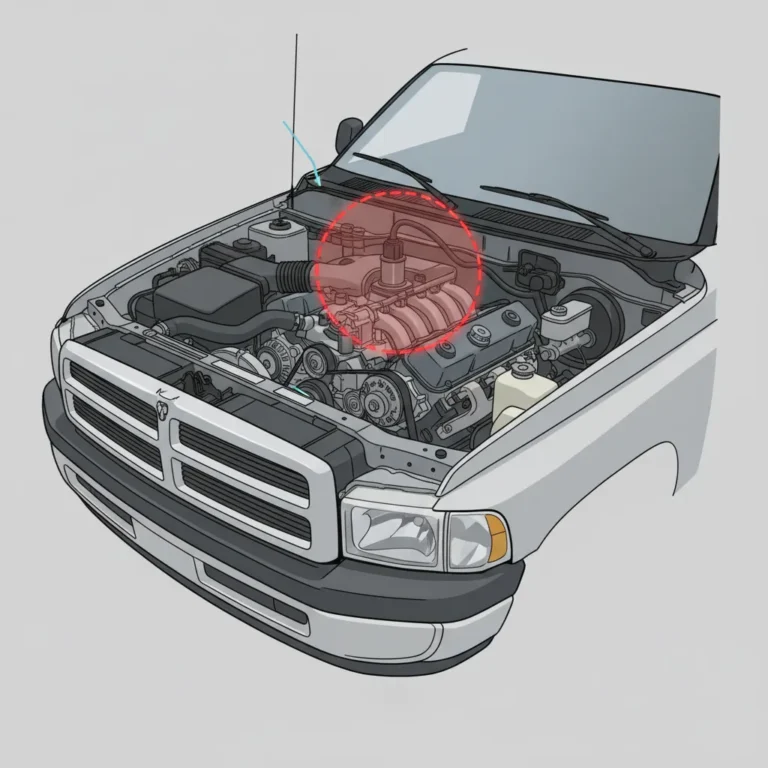
In these classic “Big Horn” models, the PCM is almost always located on the passenger-side firewall. When you pop the hood, look toward the back of the engine compartment on the right side. It is a silver or black rectangular box with three large wiring harnesses plugged into the front. In some 5.2L and 5.9L V8 configurations, accessing the PCM is easier if you temporarily remove the air filter housing. For more details on parts, you can consult the official guide for legacy models.
Third Generation (2002–2008)
Starting in 2002, the PCM shifted toward the passenger-side inner fender well. It is typically mounted vertically near the coolant reservoir. This location made the module more accessible for technicians but also made it more prone to moisture if the fender liners were damaged. On the 2005 Hemi, you will see the PCM mounted directly to the sheet metal of the fender, protected by a plastic shield. Unlike the earlier generations, these often integrated the TCM into a single “NGC” (Next Generation Controller) unit.
Fourth Generation (2009–2018)
For the fourth generation, placement became more compact. The PCM is positioned on the engine side of the firewall, often tucked behind the battery or located immediately adjacent to the Totally Integrated Power Module (TIPM). To see it clearly on a 2014 Pentastar V6, you may need to peer behind the battery tray. The visual cues remain the same: look for the multi-pin wiring harnesses with distinct sliding locking tabs.
Fifth Generation (2019–Present)
Modern Ram trucks feature highly advanced electronics. The PCM is usually found near the main fuse box assembly under the hood, often on the driver’s side or central firewall. These units are more integrated than ever, serving as the hub for the “E-Torque” systems and advanced driver assistance features. For precise placement, refer to the latest Ram specs available for current model years.
If you are unsure if you have found the PCM, look for the part number label. It will usually have a 10-digit number followed by two letters (e.g., 56044678AF). If the box has three or four large plugs with dozens of tiny wires, you’ve found the brain.



Signs of a Failing PCM and Troubleshooting Near Your Location
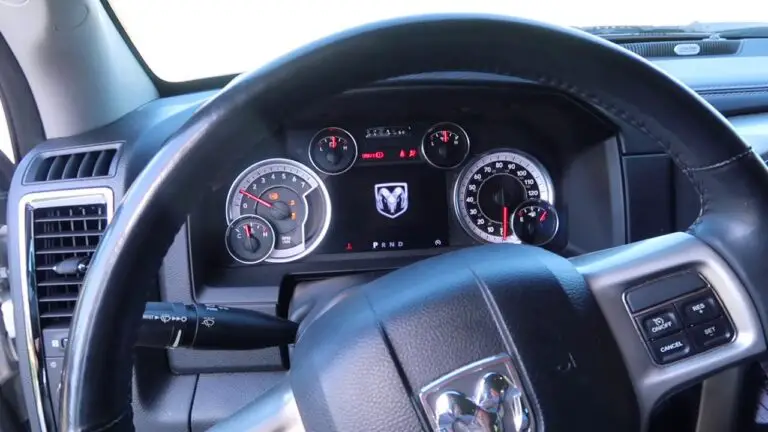
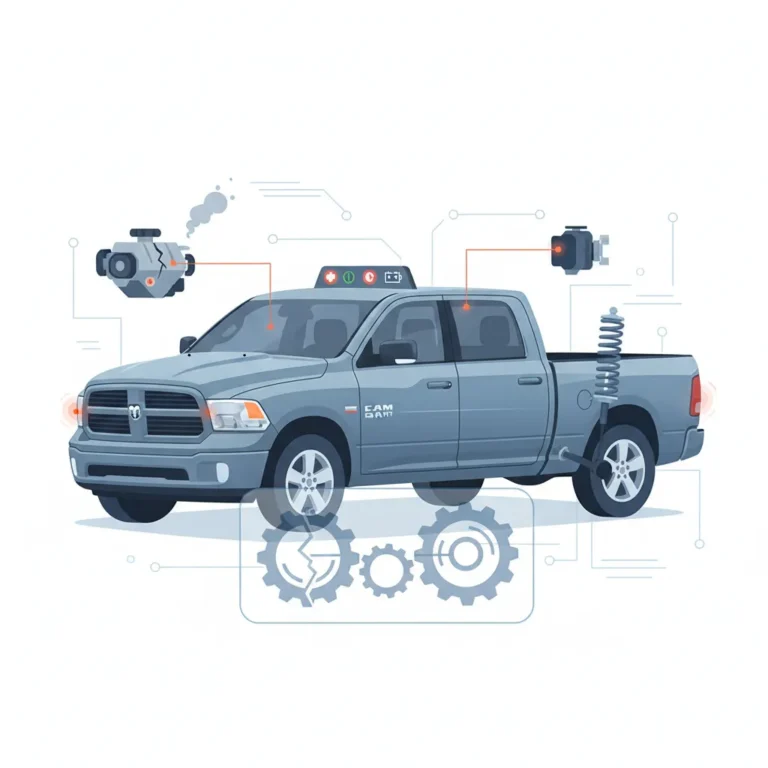
Before you commit to a replacement, it is vital to determine if the PCM is truly at fault. Because the PCM is “at the center of everything,” its failure symptoms can mimic dozens of other mechanical issues. Common signs of a failing module include erratic shifting, engine stalling at stoplights, or a dreaded ‘No Start’ condition where the engine cranks but refuses to fire. In many cases, the truck may enter “limp mode,” where the transmission stays in a single gear (usually 2nd or 3rd) to protect the drivetrain from damage.
The most definitive way to diagnose a PCM is through the Check Engine Light and OBD-II trouble codes. Specifically, P-series codes ranging from P0601 to P0606 are reserved for internal controller memory errors. If you see P0601 (Internal Control Module Memory Check Sum Error), the internal hardware of the PCM has failed, and no amount of sensor replacement will fix the truck. Other symptoms include:
- Loss of Communication: Your scan tool cannot connect to the vehicle’s computer.
- Intermittent Misfires: The PCM fails to send consistent signals to the ignition coils.
- Warning Lights: ABS, Traction Control, and Check Engine lights all illuminating simultaneously without related mechanical faults.
Before seeking a trusted local specialist, perform a visual inspection. Check the wiring harness nearby the PCM for corroded pins or a burnt smell. Sometimes, a simple grounding issue or a voltage drop can mimic a total computer failure. A 2012 Ram 1500, for instance, might show a ‘limp mode’ status due to a faulty communication bus rather than the PCM itself. Always consult a community-trusted mechanic who has an advanced diagnostic oscilloscope to verify signal patterns before spending money on a new module.
Step-by-Step Guide for Accessing and Removing the Ram 1500 PCM
If your diagnosis points to a faulty unit, removal is a relatively straightforward process that can be done with basic hand tools. However, precision is required to avoid damaging the accessible but fragile electrical connectors. Follow these steps carefully to ensure a safe removal process.
📋
Step-by-Step Guide
Use a 10mm wrench to disconnect the negative battery terminal. This is non-negotiable; working on a live PCM can cause a voltage surge that fries the new unit or other modules like the BCM.
Depending on your year, remove any plastic covers or air intake ducting. Use compressed air to blow away debris from the firewall or fender area so dirt doesn’t fall into the electrical pins.



Ram connectors usually feature a red or white slide-lock. Gently slide the lock out, then depress the center tab to pull the harness free. Never force these; 90% of connector damage occurs from snapping plastic tabs.
Use an 8mm or 10mm socket to remove the three or four bolts securing the PCM to the bracket. Carefully lift the unit out, ensuring no wires are snagged. Inspect the pins for signs of green oxidation or moisture.
Do not attempt to open the PCM metal housing. These units are vacuum-sealed or filled with a specialized gel to protect the circuitry. Breaking the seal will instantly void any warranty and likely cause immediate hardware failure.
Cost Analysis and Professional Replacement Services Available Locally
The financial aspect of PCM replacement is often the biggest hurdle for owners. According to data, the replacement cost for a Ram 1500 PCM typically ranges between $800 and $1,500. This total includes the part itself (which can be $500–$1,000 for a new OEM unit) and the labor/programming fees (typically $200–$400).
One critical factor many DIYers overlook is programming. You cannot simply pull a PCM from a junkyard and plug it into your truck. The PCM must be “flashed” with your specific Vehicle Identification Number (VIN), current mileage, and software updates relevant to your engine and transmission options. Failure to do this will result in a “SKIM” (Sentry Key Immobilizer) lockout, meaning the truck will start for two seconds and then die because the computer doesn’t recognize the key.
✅ Pros of Professional Service
- Guaranteed VIN and mileage programming.
- Latest software updates applied.
- Parts and labor warranty (usually 12 months/12k miles).
- Professional diagnostic verification.
❌ Cons of DIY Replacement
- Risk of ordering the wrong part revision.
- Potential for immobilizer lockout.
- No recourse if the unit is “Dead on Arrival.”
- Lack of specialized flashing tools.
For those looking for a middle ground, many companies serving the online community offer “Plug-and-Play” pre-programmed units. You provide your VIN and mileage at the time of purchase, and they ship a refurbished unit that is ready to install. This is a convenient alternative to dealership flashing, but ensure the provider is a trusted local or nationally recognized refurbisher to avoid poor-quality solder joints inside the unit.
Ultimately, while the diagram Dodge Ram 1500 PCM location helps you identify the module, the intelligence within that box is what keeps your truck on the road. Whether you choose to tackle the inspection yourself or hire a professional, understanding the physical and functional role of the PCM ensures that your Ram 1500 continues to deliver the power and reliability you expect. If your truck is showing signs of computer failure, consult our location diagrams for quick identification or contact a certified technician nearby to schedule a comprehensive diagnostic scan today.
Conclusion Summary: The PCM location varies from the passenger firewall to the inner fender depending on your Ram 1500’s generation. Identifying failure early through P-codes and physical inspections can prevent more expensive engine damage. Replacement requires precise programming and strict attention to electrical safety to be successful. If you are ready to resolve your truck’s electrical issues, use these accessible diagrams to start your journey back to peak performance.


Frequently Asked Questions
How do I know if my PCM is bad?
A failing PCM typically triggers the Check Engine Light with codes like P0601. You may experience sudden engine stalling, poor fuel economy, or issues with the transmission shifting. In some cases, the truck may enter ‘limp mode,’ limiting speed to protect the engine. If multiple sensors fail simultaneously, it often points back to the PCM as the root cause.
Can I replace the Dodge Ram 1500 PCM myself?
Physically replacing the PCM is a straightforward task involving basic hand tools. However, the unit must be programmed with your vehicle’s VIN and current mileage to communicate with the rest of the truck. Without professional flashing, the vehicle will not start due to anti-theft protocols. Therefore, a DIY physical install usually still requires professional software support.
How much does it cost to replace a PCM in a Ram 1500?
According to RepairPal and industry data, the total cost for a PCM replacement ranges between $800 and $1,500. The part itself usually costs between $500 and $1,000, while labor for diagnostics and programming can add another $200 to $500. Prices vary based on whether you choose an OEM unit or a refurbished aftermarket module.
Will a used PCM work in my Ram 1500?
A used PCM can technically work, but it is not a direct swap. You cannot simply pull a PCM from a scrap yard and plug it in; it will likely be locked or programmed for a different VIN and options. To use a pre-owned unit, you must have it reset and reflashed by a specialist or dealership to match your truck’s specific configurations.
Does the PCM need to be programmed after replacement?
Yes, programming is mandatory for almost all Dodge Ram 1500 models from the mid-1990s onward. The PCM stores the Vehicle Identification Number (VIN) and the security key for the immobilizer system. If these do not match the other onboard modules, the truck will fail to stay running or may not crank at all.
![2021 Ram 1500 Classic Warlock: Full Specs & Data [2026]](https://truckguider.com/wp-content/uploads/2026/03/2021-ram-1500-classic-warlock-featured.webp)
![2014 Ram 3500 Transmission Guide: Full Specs & Data [2026]](https://truckguider.com/wp-content/uploads/2026/03/2014-ram-3500-transmission-featured.webp)