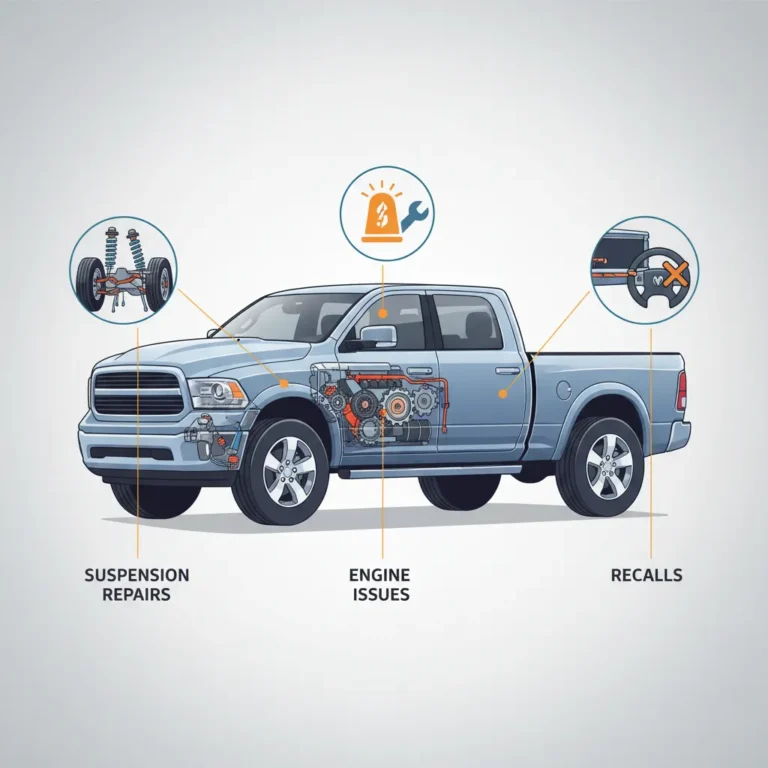
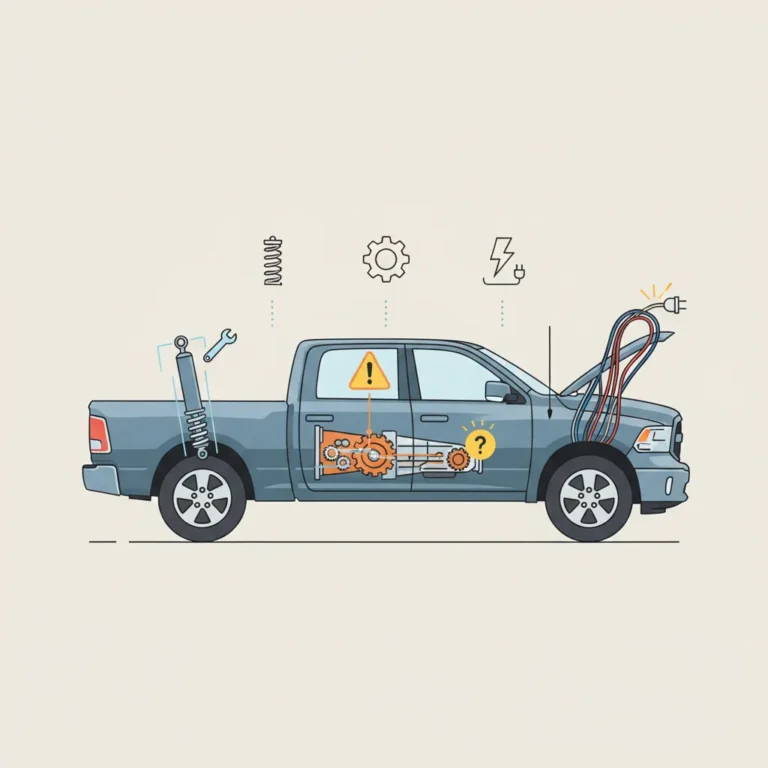
Ram 1500 Transmission Problems: Diagnostic Guide For Shifting And Performance Issues

The Ram 1500 has long been celebrated as a benchmark for pickup truck comfort and capability, blending a refined interior with the rugged utility expected of a full-size workhorse. However, even the most sophisticated engineering has its vulnerabilities. For many owners, the sophisticated 8-speed automatic transmission—while smooth when operating correctly—can become the vehicle’s Achilles’ heel if maintenance is neglected or early warning signs are ignored. Owners frequently report frustrating symptoms like harsh shifting, gear slipping, and unexpected “limp mode” activation that can leave a truck sidelined. This comprehensive guide will diagnose the most common Ram 1500 transmission problems, explain the mechanical and electrical root cause behind these failures, and provide actionable repair and maintenance solutions to get your truck back on the road.


Identifying Your Transmission: The ZF 8HP70 and 850RE Architectures
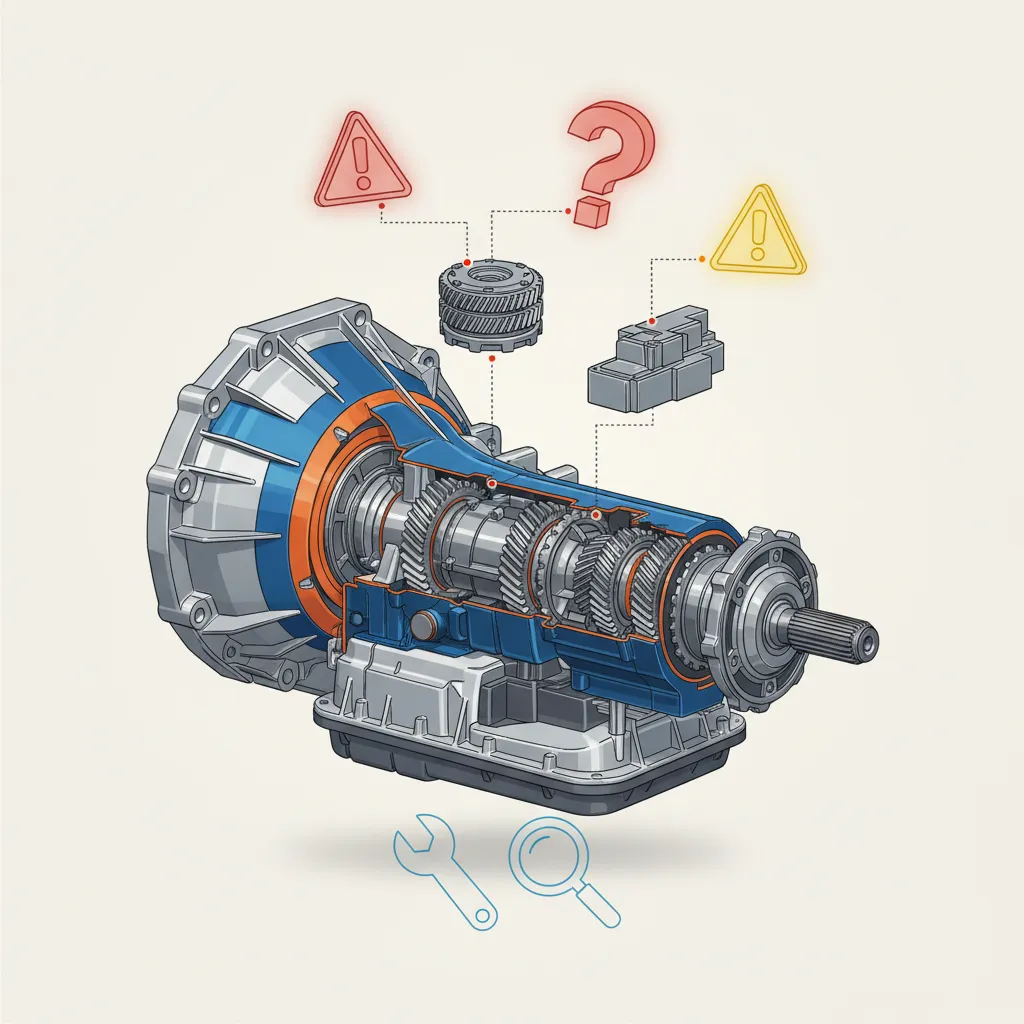
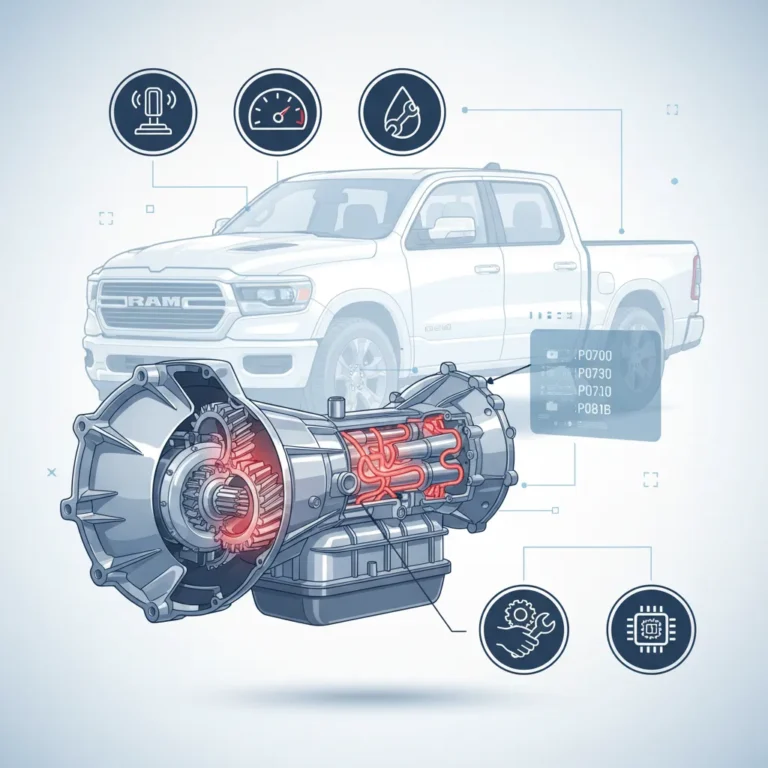
Before you can troubleshoot a performance issue, you must understand the hardware under your floorboards. Modern Ram 1500 models utilize two primary variations of the ZF 8-speed automatic transmission. The ZF 8HP70 is the heavy-hitter, typically paired with the 5.7L Hemi V8, designed to handle up to 700 Nm of torque. Conversely, the 850RE (a Chrysler-built version of the ZF 8HP50) is generally found behind the 3.6L Pentastar V6, rated for a lighter 500 Nm load. While the ZF 8-speed is utilized by over 40 automotive brands, the Chrysler-specific tuning and application in the Ram 1500 create unique failure modes often reported in RepairPal reliability rating data.
The “Fill-for-Life” Fallacy
Manufacturers often market these units as having “lifetime” fluid, implying that the transmission is a closed system that never requires service. In the reality of high-load truck applications—towing, hauling, and off-road use—this philosophy often leads to premature internal component wear. The transmission pan itself is made of a high-strength plastic (composite) and features an integrated filter. This means you cannot simply swap a filter; you must replace the entire pan assembly during a fluid service to resolve contamination issues.
Adaptive Learning and the TCM
The Transmission Control Module (TCM) in the Ram 1500 is highly sophisticated. It uses “adaptive learning” logic to adjust shift points and clutch pressures based on your specific driving habits. While this provides a personalized driving experience, it can also “learn” bad habits if a sensor begins to fail or if the battery voltage remains low for an extended period. Many shifting “glitches” are actually software-based and can be a temporary workaround rather than a mechanical failure.

Common Symptoms: How to Diagnose Shifting and Engagement Failures
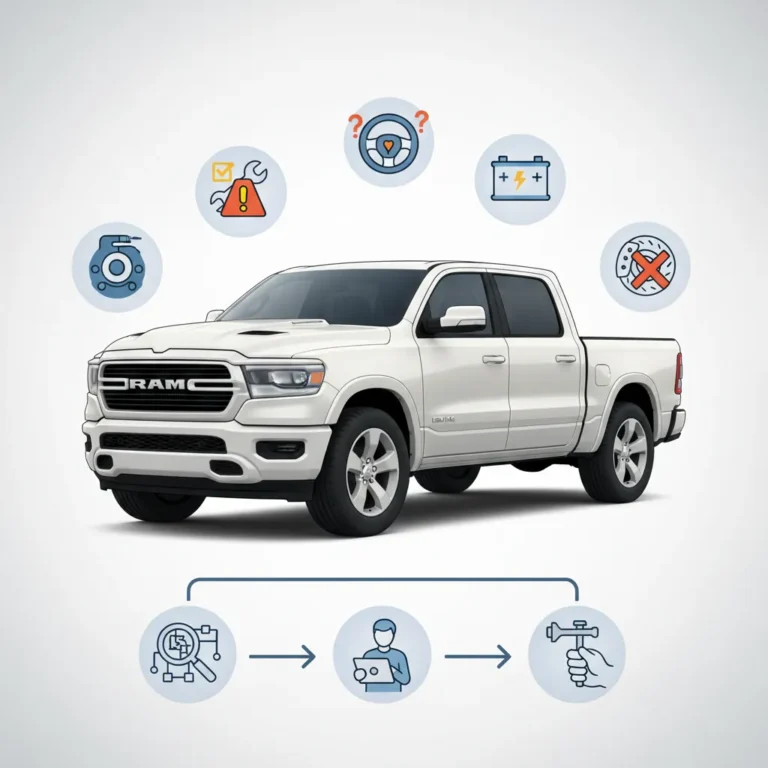
Recognizing the symptoms early can be the difference between a $200 sensor repair and a $5,000 transmission replacement. If your Ram 1500 starts behaving erratically, pay close attention to the following signs. Research indicates that the 2014-2016 model years show a higher frequency of complaints related to these symptoms, particularly regarding the rotary e-shift dial and parking pawl engagement.
- 1. Harsh Shifting or “The Clunk”: This often occurs during the 2-1 downshift when coming to a stop or the 1-2 upshift under moderate acceleration. It feels like the truck has been tapped from behind. This is frequently linked to valve body malfunctions or outdated TCM software.
- 2. Transmission Slipping: You may notice the engine RPMs rising sharply without a corresponding increase in vehicle speed. This suggests that the internal clutch packs are not holding pressure, often due to low transmission fluid or internal seal leakage.
- 3. Delayed Engagement: When shifting from Park to Drive or Reverse, there is a multi-second hesitation before the gear “grabs.” This is a classic sign of a failing solenoid or a pump issue that prevents immediate hydraulic pressure buildup.
- 4. Limp Home Mode: This is a protective state where the vehicle’s computer restricts the transmission to a single gear (usually 3rd) and illuminates the check engine light. It is designed to allow you to drive to a service center without destroying the internals.
According to NHTSA complaint data, certain 2014-2016 Ram 1500 models were flagged for “unintended rollaway” risks. This occurs when the driver believes the vehicle is in Park, but the electronic rotary shifter has not successfully engaged the parking pawl. Always engage your parking brake.

Root Causes: From Fluid Contamination to Solenoid Failure
To diagnose the failure effectively, we must look at the mechanical “why.” The ZF 8-speed is a marvel of efficiency, but its tolerances are incredibly tight. Even microscopic debris can cause a system-wide failure.
Thermal Management and the Bypass Valve
The Ram 1500 uses a thermal management system that utilizes engine coolant to heat the transmission fluid to operating temperature quickly. A common cause of overheating is a failed coolant bypass valve. If this valve sticks, the transmission fluid can easily exceed 230°F, leading to rapid fluid oxidation. Burnt fluid loses its friction-modifying properties, leading to “shudder” and clutch wear. Checking the official Ram specs for operating temperatures (typically 175°F-195°F) is crucial during diagnosis.
Solenoid and Valve Body Sensitivity
The valve body acts as the “brain” of the transmission, directing hydraulic fluid through various channels to engage clutches. The solenoids that control this flow are extremely sensitive to contamination. Internal wear particles as small as 10 microns can cause a solenoid to stick. This often triggers Diagnostic Trouble Codes (DTCs) such as P0741 (Torque Converter Clutch Solenoid) or P0730 (Incorrect Gear Ratio).


By The Numbers
Avg. Replacement Cost
Solenoid Failure Threshold
Ideal Service Interval
Troubleshoot and Resolve: Steps to Repair and Restore Functionality
If your truck is acting up, follow this systematic approach to debug the issue. Don’t rush into a full transmission replacement until you have ruled out simpler, cheaper failures.
📋
Diagnostic Action Plan
Plug in a high-quality scanner to pull stored DTCs. Look for P0700 (general transmission control system malfunction) or specific gear ratio codes like P0734 (Gear 4 incorrect ratio). This provides the roadmap for the repair.
Since these units lack a dipstick, you must check the level via the fill plug on the side of the case while the fluid is between 100°F and 120°F. If the fluid is dark brown, smells burnt, or contains metal shavings, the cause is mechanical wear.
Use a scan tool to reset the transmission’s adaptive learning. This clears the memory of poor shifting patterns and forces the computer to relearn shift points. This often serves as a software solution for minor “clunking” issues.


The “Quick Learn” Procedure
After any repair, such as replacing a solenoid or the valve body, a “Quick Learn” procedure is mandatory. This is a software routine that cycles the transmission through its gears while stationary to calibrate the clutch volume indexes (CVIs). Without this, the transmission may shift even worse than before the repair.
Before authorizing a multi-thousand dollar transmission swap, ensure your vehicle’s battery and alternator are in peak condition. The ZF 8-speed’s electronic controls are highly sensitive to voltage drops, which can trigger erratic shifting and “phantom” error codes.
Preventative Maintenance: Extending the Life of Your 8-Speed Unit
The best way to handle transmission problems is to prevent them from occurring in the first place. Despite the “lifetime” fluid claims, as a seasoned expert, I recommend a comprehensive fluid and filter service every 60,000 miles—or every 30,000 miles if you frequently tow near your truck’s maximum capacity.
Use Correct Fluids
Only use Mopar genuine parts like Mopar 8&9 Speed ATF or ZF Lifeguard 8. Multi-vehicle “universal” fluids lack the specific friction modifiers required for the ZF clutch packs.
Tow/Haul Mode
Always engage Tow/Haul mode when pulling a trailer. This changes the shift logic to reduce gear hunting, which minimizes heat buildup and clutch wear.
Aftermarket Upgrades
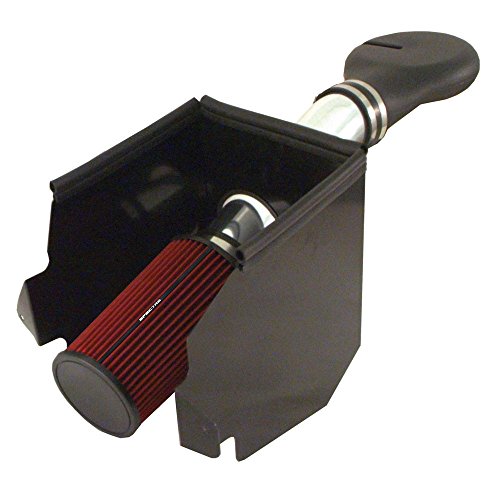
For owners who live in hot climates or tow frequently, consider installing an aftermarket deep aluminum transmission pan. These pans serve two purposes: they increase total fluid capacity and feature cooling fins that help dissipate heat more effectively than the stock plastic pan. Furthermore, they usually feature a replaceable filter, making future 60,000-mile services significantly more affordable.
✅ Pros of Proactive Service
- Doubles component lifespan
- Maintains smooth shift quality
- Prevents “Limp Mode” surprises
- Maintains vehicle resale value
❌ Cons of Neglect
- Fluid oxidation/breakdown
- Clogged valve body passages
- Irreversible clutch glazing
- High $4k-$6k repair bills
In summary, early detection of symptoms like shuddering or delayed engagement is key to avoiding total transmission failure. The ZF 8-speed units used in the Ram 1500 are high-performance components that require specific diagnostic procedures and specialized fluids. While “sealed for life” is the corporate mantra, hands-on experience proves that proactive fluid changes remain the best defense against internal wear. If your Ram is exhibiting shifting issues, start by scanning for DTC codes and checking your fluid condition immediately. For major repairs, always consult a certified technician specializing in ZF transmissions to ensure your truck remains reliable for the long haul.
Frequently Asked Questions
What type of transmission fluid does my Ram 1500 require?
Most modern Ram 1500s equipped with the 8-speed transmission require Mopar 8&9 Speed ATF or the equivalent ZF Lifeguard 8 fluid. Using generic or incorrect fluid can lead to catastrophic internal damage, as these transmissions are highly sensitive to viscosity and friction modifier specifications.


How often should I change the transmission fluid in my Ram 1500?
While the owner’s manual may suggest the fluid is ‘fill-for-life’ under normal conditions, most transmission specialists and the manufacturer of the transmission (ZF) recommend a service interval between 50,000 and 75,000 miles, especially if you frequently tow or drive in stop-and-go traffic.
What does it mean when my transmission is slipping?
Transmission slipping occurs when the engine RPM increases, but the vehicle doesn’t accelerate proportionally. In a Ram 1500, this often points to low fluid levels, worn-out clutch packs, or a malfunctioning solenoid that isn’t providing enough hydraulic pressure to hold the gear firmly.
How much does it cost to replace a Ram 1500 transmission?
A total transmission replacement for a Ram 1500 typically costs between $3,500 and $6,000. This estimate includes the cost of a remanufactured unit, specialized ZF-compatible fluid, and approximately 6 to 10 hours of labor at a dealership or specialized transmission shop.
Is there a recall for Ram 1500 transmission problems?
There have been several recalls and Technical Service Bulletins (TSBs) over the years. Notably, recall V08 addressed issues with the park pawl and software related to the rotary shifter. Always check your specific VIN on the NHTSA website to see if your vehicle has outstanding safety recalls.